When Everything Changed Overnight
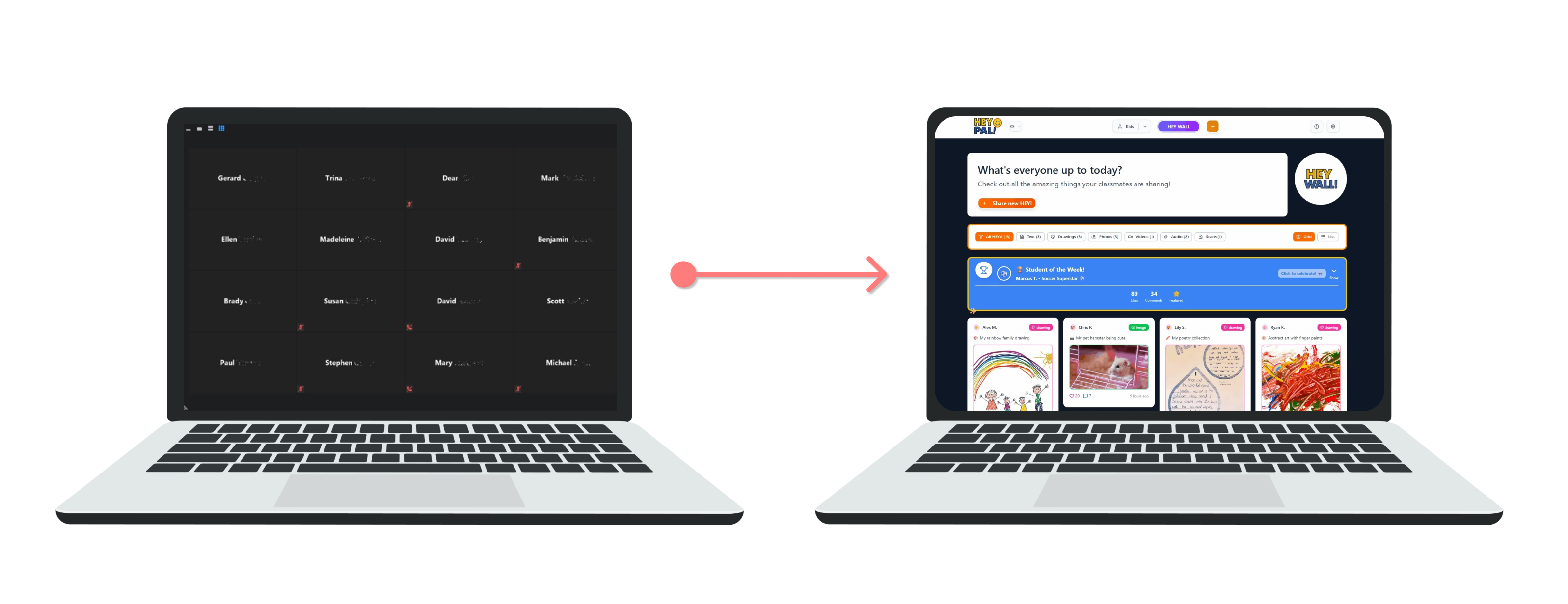
March 2020: One day I was managing a classroom of 30 third-graders, the next I was staring at a grid of black squares on Zoom. The pandemic eliminated the subtle magic of being together that made classrooms work.
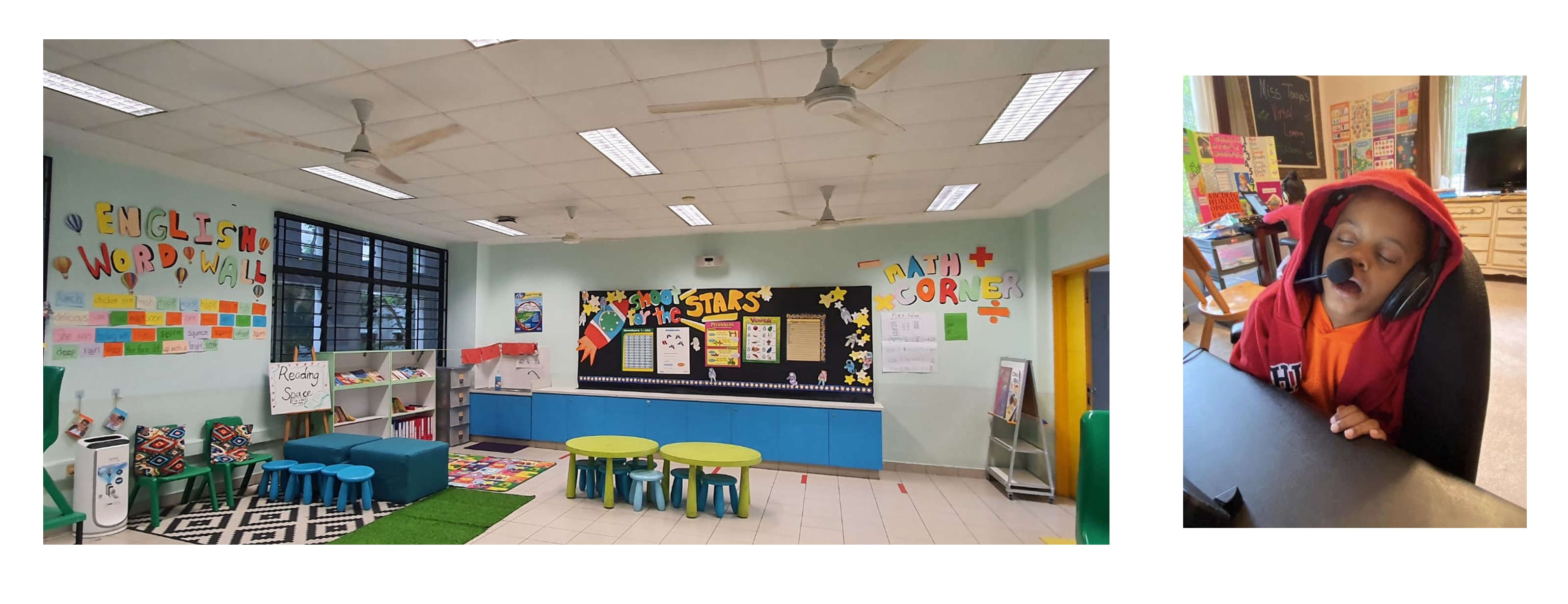
The shift from physical classroom energy to digital silence happened overnight
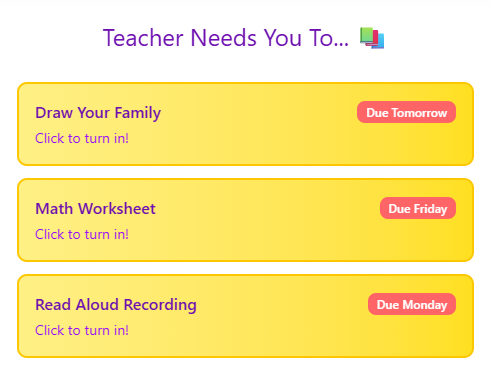
Zoom protocols kept cameras on and microphones muted, but natural classroom dynamics—raising hands, reading the room—vanished. For asynchronous work, we inherited a patchwork of adult tools: Google Classroom, various LMS platforms, password managers that needed their own passwords.
The real problem wasn't technical—it was human. Kids lost control of their experience. Parents became accidental IT support while juggling work-from-home. Privacy concerns mounted with every new login.
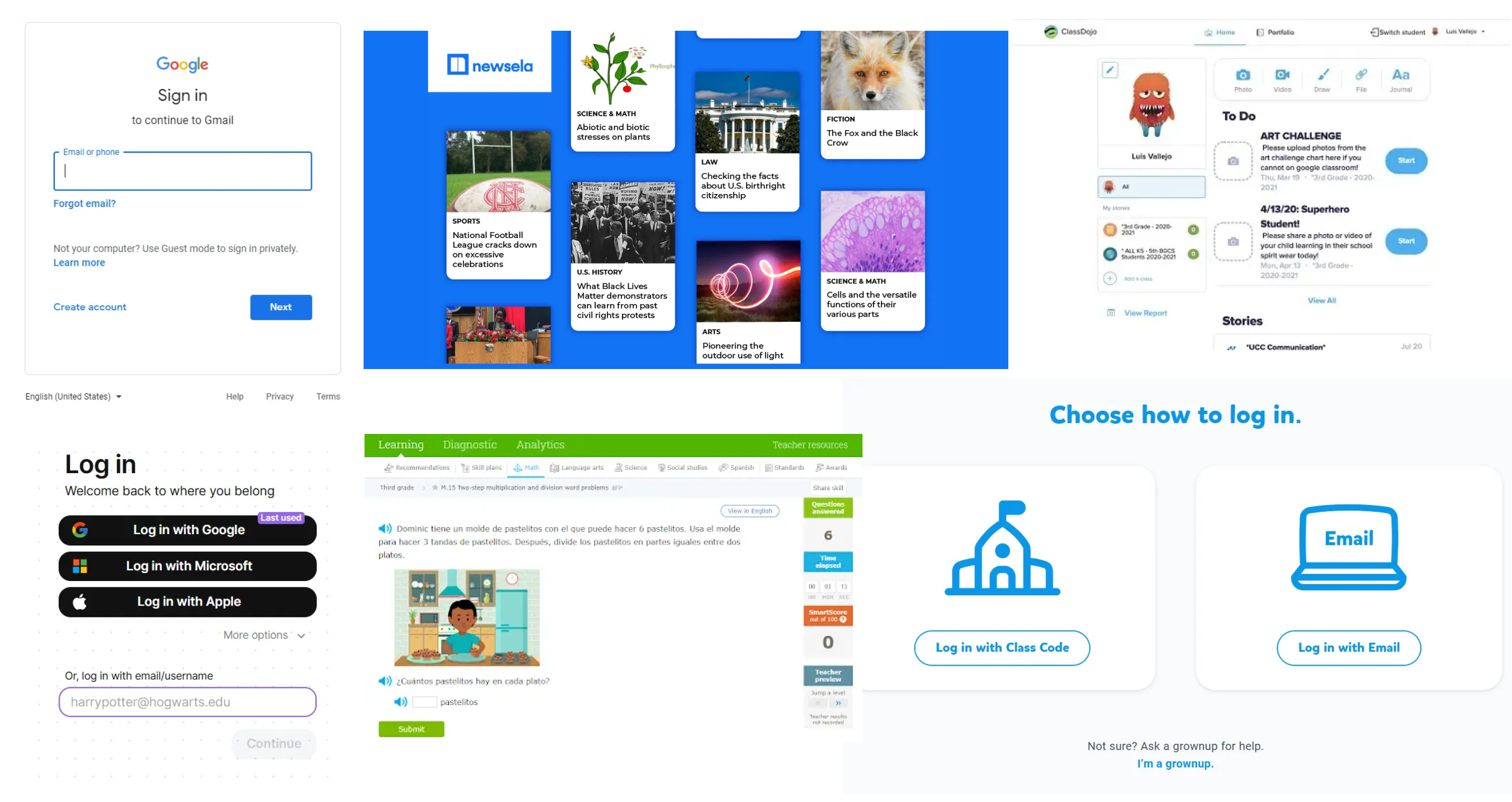
Nothing was built for eight-year-olds
After two weeks of digital chaos, four core problems crystallized:
Interfaces assumed adult literacy, fine motor skills, and patience that kids simply don't have. Password requirements alone eliminated half my class from independent participation.
We'd lost the casual interactions that make classrooms alive—the artwork shared spontaneously, the excited "look what I made" moments, the peer learning that happens when kids see each other's work.

Students needed six different logins to access their full school day. Teachers needed even more. Parents felt like air traffic controllers managing their child's digital education.

Every platform came with terms of service longer than most novels. Parents didn't know what data was being collected, stored, or shared. Trust eroded with every new account creation.
What If We Built Our Own?
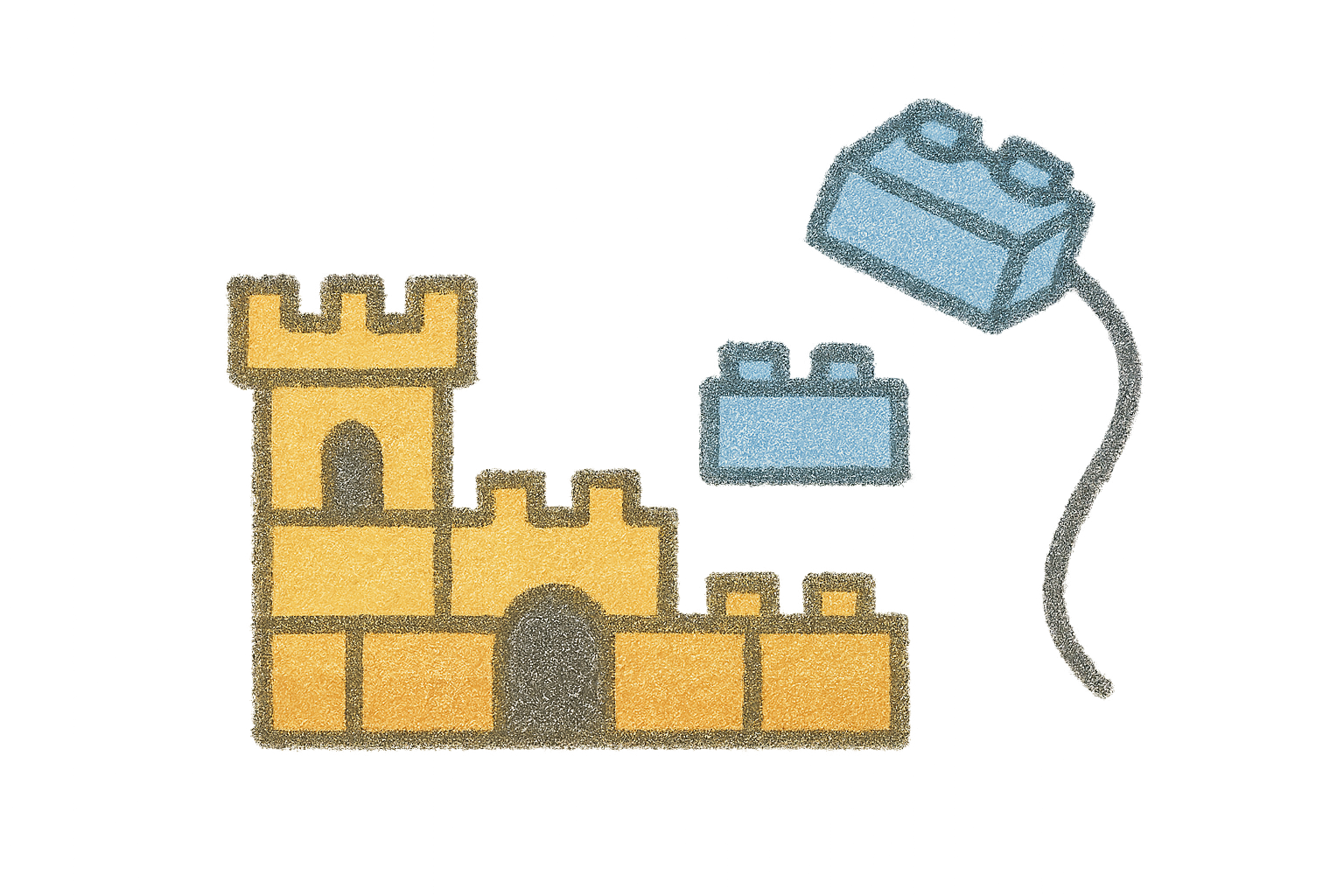
Staring at my Zoom grid of muted third-graders, a wild idea emerged: What if we built our own platform? Not just for them, but with them?
My hypothesis was simple: If I can create a single, standalone app that makes it effortless for students to log in and share pieces of their lives, it will reduce friction for teachers and parents while keeping everything secure within our classroom bubble.
But more than that—if kids help design it, they'll own it. And ownership might be the key to engagement.
Building Together, Apart
What happened next turned into the most rewarding design process of my career. Every Tuesday and Thursday, during our "Special Projects" time, we became a design team. Kids in breakout rooms, sketching ideas on whatever paper they could find, holding drawings up to their cameras.
The Login Revolution
Traditional username/password combinations were our first target. Eight-year-olds suggested everything from "magic URLs" to drag-and-drop desktop files. We eventually settled on something beautifully simple: a visual sequence system. Students would arrange four emojis in the correct order—their personal pattern that only they knew.
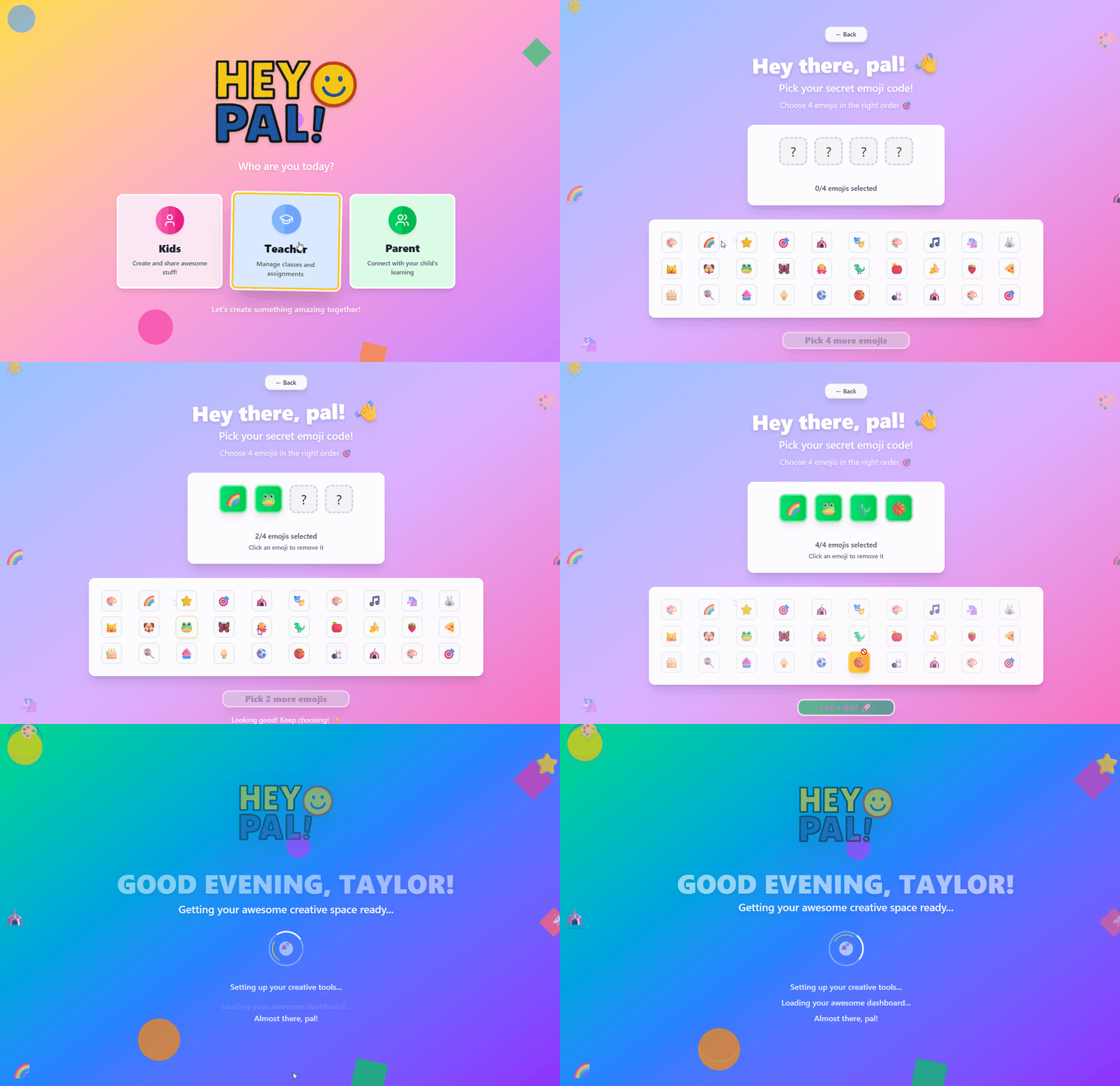
Instead of passwords, students arranged familiar images in their personal sequence
"It's like a secret handshake, but with pictures!"
HEY WALL
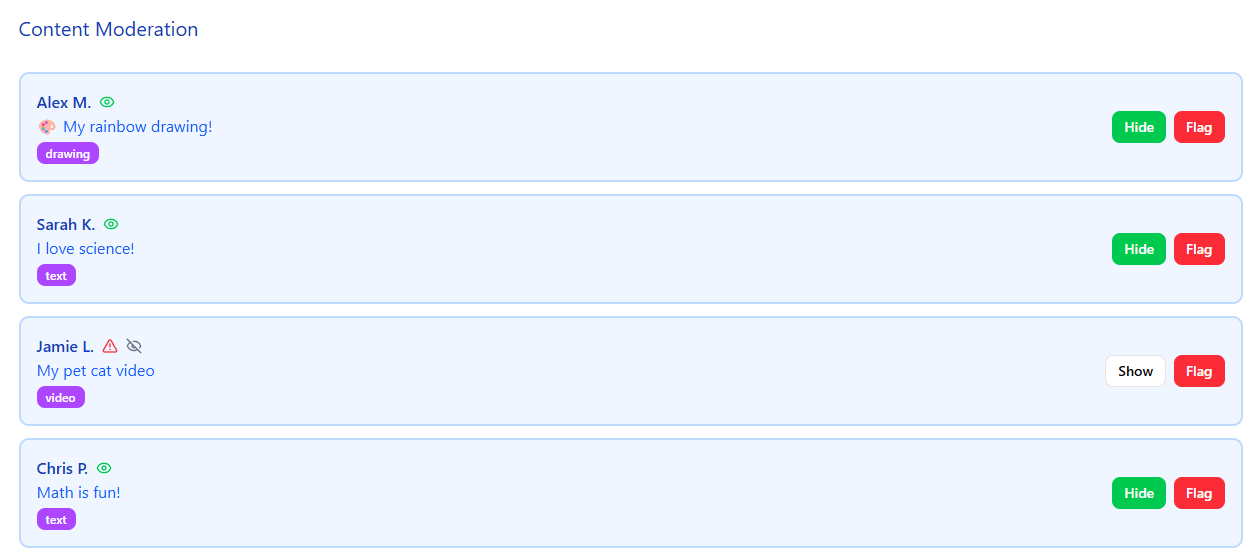
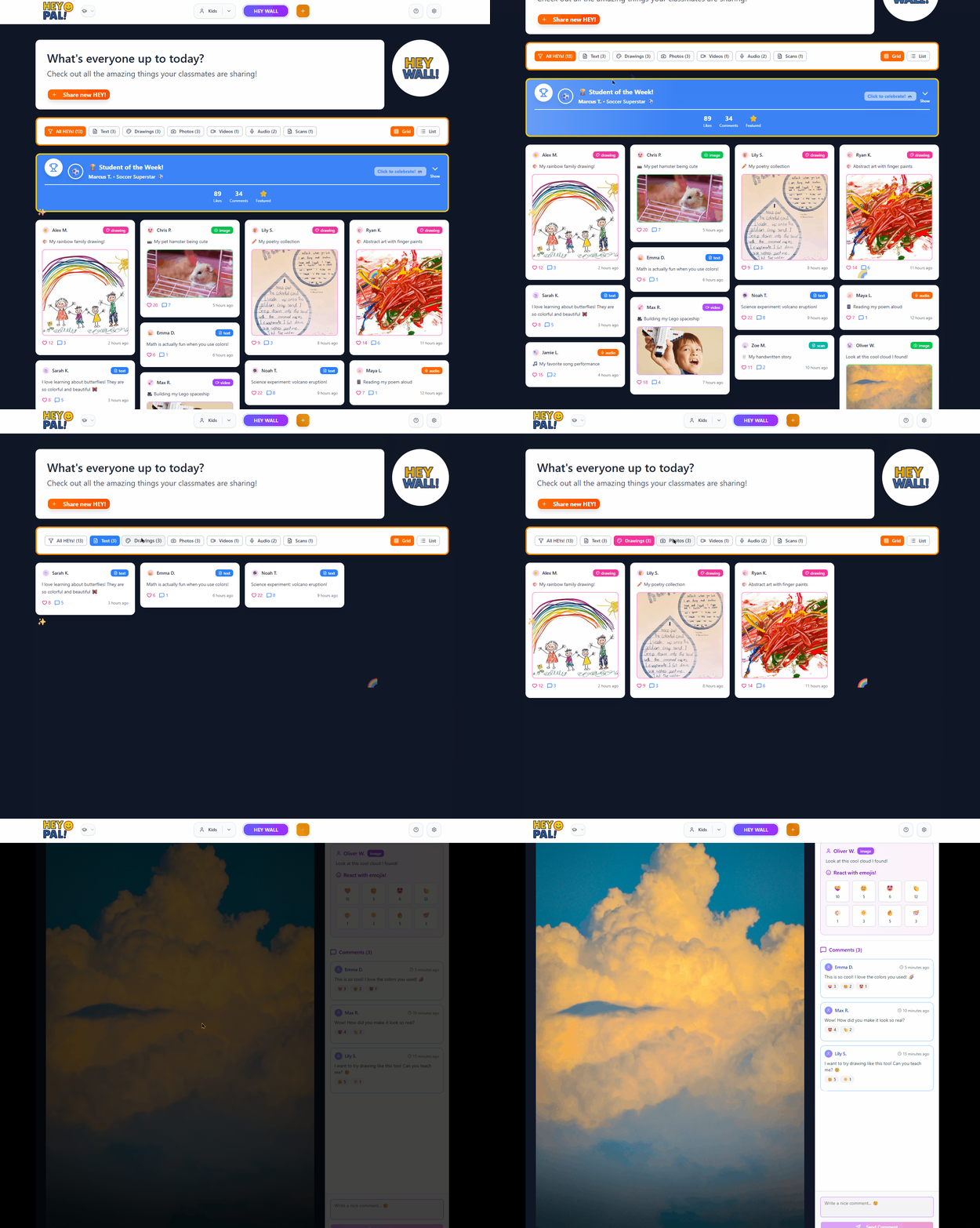
But the real magic happened with "HEY WALL"—our shared space where everyone could see everyone's contributions. Drawing, writing, photos, recordings—all mixed together in a living collage of our remote classroom community.
The Unexpected Metric: Joy
What I couldn't quantify was the energy shift. Students started our Zoom calls asking about HEY PAL! updates. Parents sent me screenshots of their kids teaching siblings how to use the platform. We'd built something that people actually wanted to use.
"My daughter woke up early on Saturday to post her drawing before anyone else could see it. She's never been excited about schoolwork before."

"I showed my mom how to log in and she said I was like a computer teacher. Can I help other kids too?"
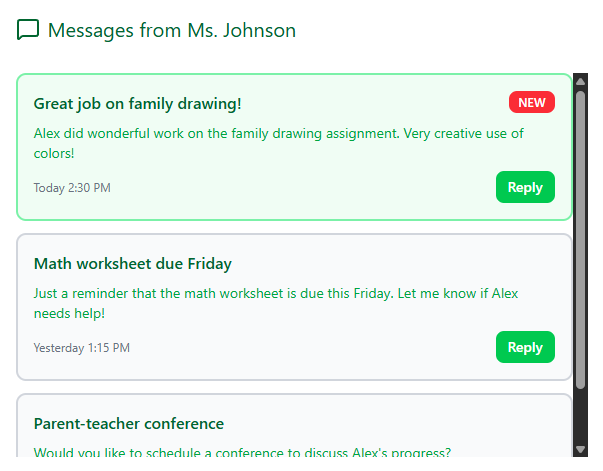
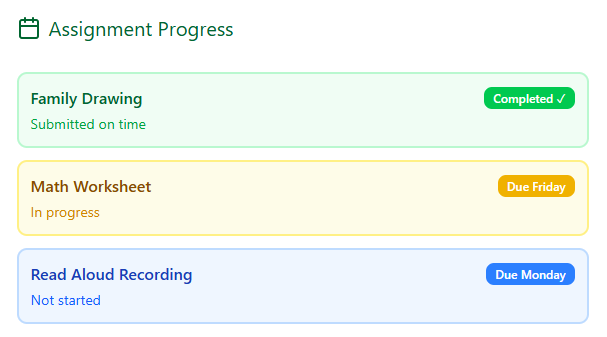
"For the first time since March, I felt like I could actually see what was happening in my child's school day. Not just grades—I could see his thinking, his creativity, his friends' responses."
"I like that nobody can forget what I said because it stays on the wall forever."
Reflections: The Meta-Lesson
HEY PAL! succeeded not just as a product, but as proof of concept for a different kind of education technology—one designed with users, not just for them.
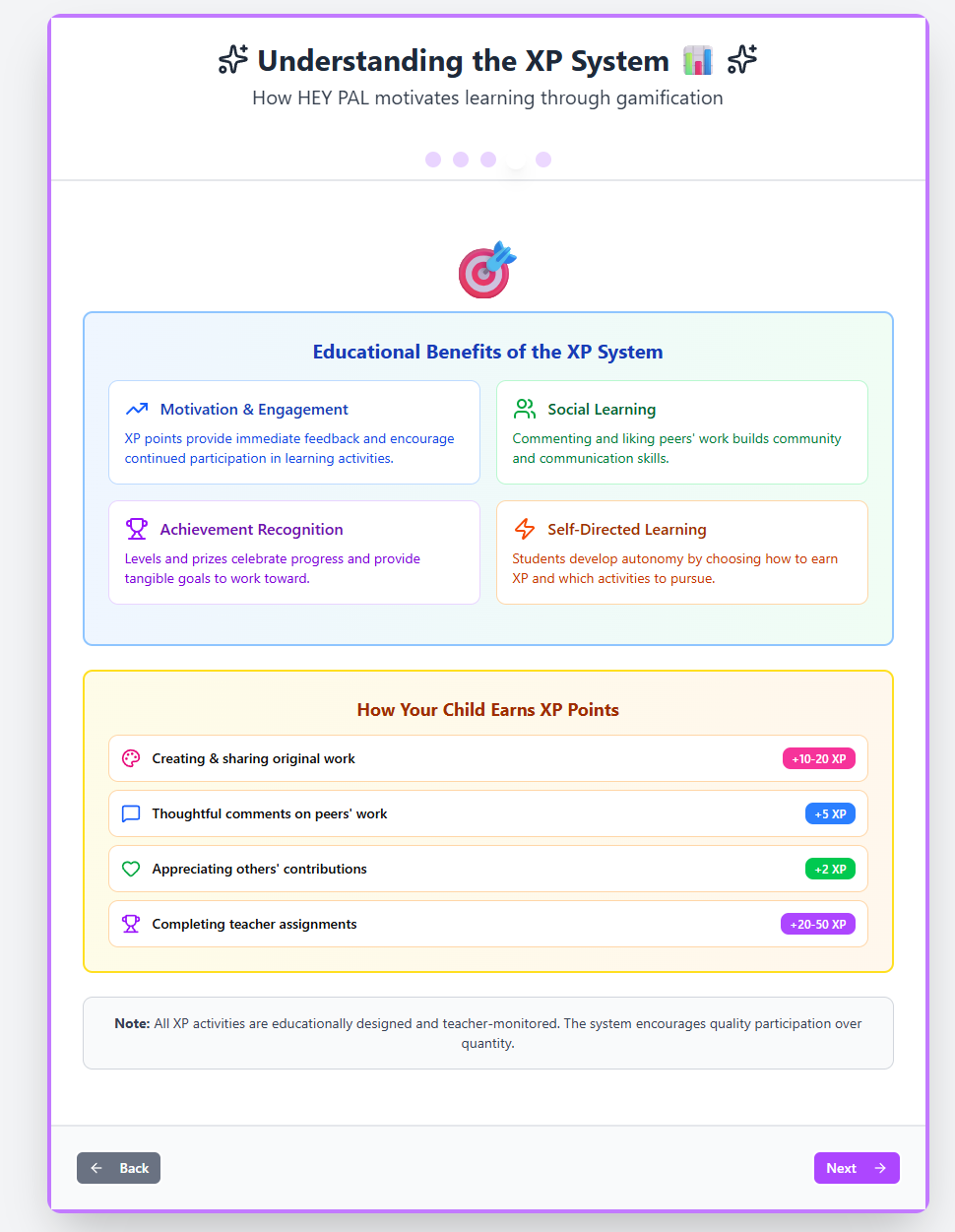
The technical features mattered: the single sign-on, the intuitive interface, the privacy-first architecture. But the real breakthrough was the process. By involving students in every design decision, we created shared ownership. They weren't just users; they were stakeholders.
This wasn't just remote learning—it was collaborative problem-solving at its finest. We identified a challenge, hypothesized solutions, built prototypes, tested with real users, and iterated based on feedback. My third-graders experienced the full design thinking process, and in return, they taught me that the best educational technology isn't about replacing human connection—it's about amplifying it.
The pandemic forced us apart physically, but building HEY PAL! together brought us closer than we'd ever been. Sometimes the best solutions come not from experts or algorithms, but from the people who need them most: curious kids who just want to share what they've learned with their friends.